Start Here: What You Can Safely Check Yourself
When heat disappears on a cold Pacific Northwest morning — especially during one of those bone-chilling cold snaps that catch the region off guard — the instinct is to panic. Before you call anyone, there are several checks you can run in ten minutes that resolve a surprising number of calls.
Begin at the thermostat. Confirm it is set to heat, not cool or fan-only, and that the target temperature is actually above the current room temperature. If your thermostat runs on batteries, replace them — a low battery can cause behavior that looks exactly like a failed system. If you have a smart thermostat, check that a recent update or schedule change has not shifted your programming.
Next, go to your electrical panel. A tripped breaker will look slightly off from the rest. Reset it fully to off before flipping it back on. While you are there, find the furnace power switch — it often looks like a light switch mounted on or near the unit and is easy to accidentally turn off.
Pull the furnace filter. A filter clogged with debris is one of the most common causes of a furnace shutting itself down; modern systems cut off rather than overheat. Hold it up to light. If you cannot see through it, replace it before doing anything else.
If your home uses natural gas, check whether other gas appliances are working. A stove burner that also refuses to light suggests a supply issue rather than a furnace problem. Contact your gas utility — do not investigate gas lines yourself.
For homes with heat pumps, which are common throughout western Oregon and Washington, winter behavior can be confusing. The outdoor unit will sometimes develop frost during cold, damp weather, and most systems run a brief defrost cycle to clear it. Light frost is normal. A unit completely encased in ice that is not thawing on its own needs professional attention. Also check that nothing has fallen against the outdoor unit: branches, leaves, or snow blocking the coil can stop the system.
Finally, check the condensate drain if your furnace has one. High-efficiency furnaces produce water vapor that drains away through a small line. When that line clogs, the system shuts itself off. Water pooling near the furnace points directly to this. Federal background on furnaces is in the Department of Energy furnace guide.
What Your Symptoms Are Telling You
A furnace that runs but produces only lukewarm air often points to a dirty filter, airflow restriction, or a tripped limit switch. If you hear the furnace attempt to start — a click or brief hum — but it shuts off within a minute or two, this usually suggests a flame sensor or ignition issue. No response at all: start with the power switch and breaker.
A heat pump blowing cool air when set to heat, especially when outdoor temperatures drop below freezing, may have switched into emergency heat mode — check your thermostat for an indicator light or setting.
Smells matter. A faint dusty smell early in the season is normal. A persistent burning odor resembling melting plastic or rubber is a reason to shut the system off and call a technician. The smell of rotten eggs near any gas appliance means leave the house and call your gas utility from outside.
Staying Warm Safely While You Wait
If help is not coming until morning, layer up and consolidate in one or two rooms. Close doors to unused spaces, hang a blanket over doorways to hold warmth, and use a safely rated electric space heater in an open, supervised area away from curtains and bedding.
What is not safe: using a gas oven or range to heat your home. Carbon monoxide — colorless, odorless — can build to dangerous levels quickly in a closed space. Running a portable generator indoors or in an attached garage is equally deadly. Both situations cause deaths every winter in the region, often during ice storms when people are desperate and every option feels reasonable. Make sure your CO detectors have working batteries, especially when using any alternative heat source.
When to Call a Professional
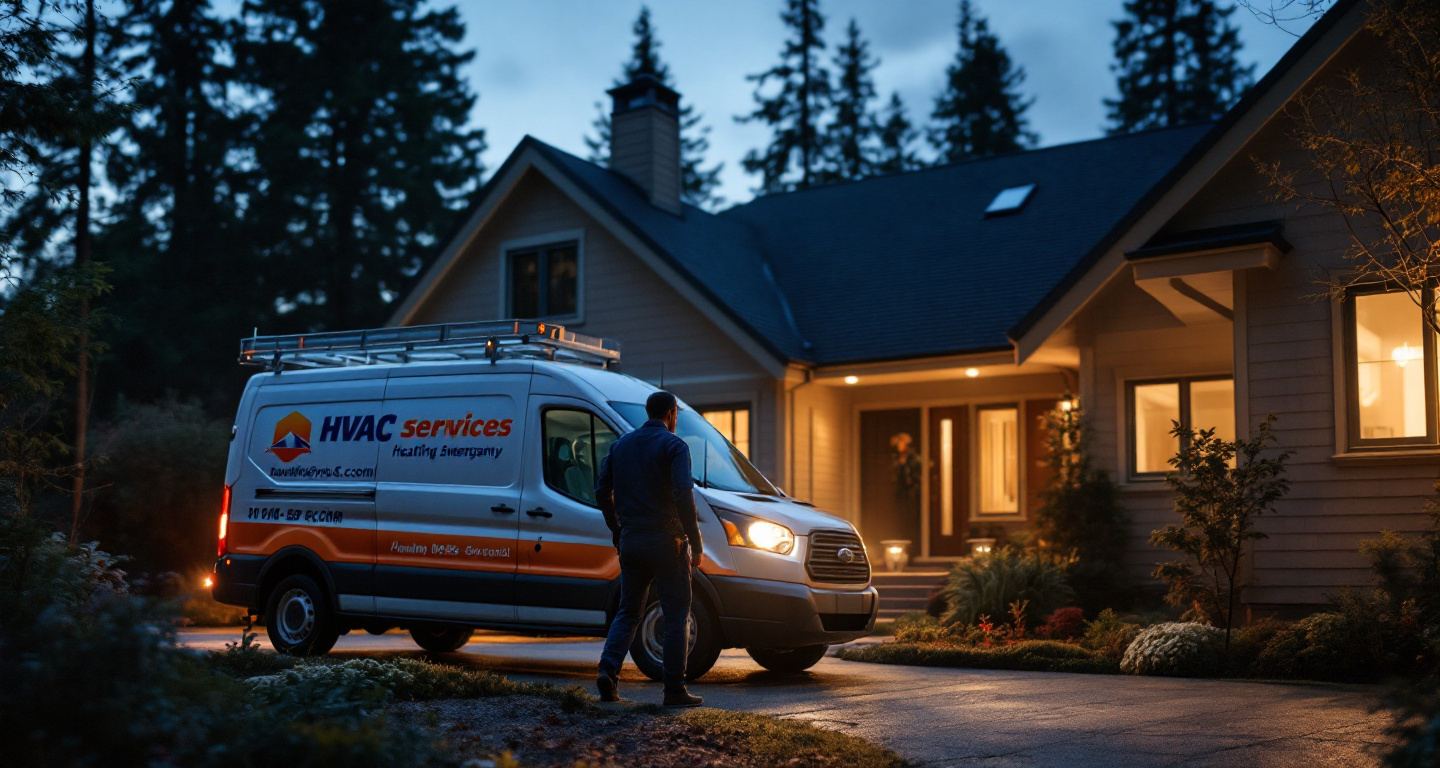
If the system still does not work after running through these checks, call a licensed technician. Call promptly — do not wait — if: a CO detector has alarmed, you smell gas, the outdoor unit is fully iced over and not clearing, or you hear grinding, banging, or screeching from the system.
Electrical components, gas valves, refrigerant lines, and heat exchangers are not homeowner territory. A qualified technician can usually diagnose the problem in one visit and walk you through whether you are looking at a repair or a longer replacement conversation. For a local example of furnace repair in the Portland area, see https://sites.google.com/view/efficiency-heating-cooling/services/furnace/furnace-repair.