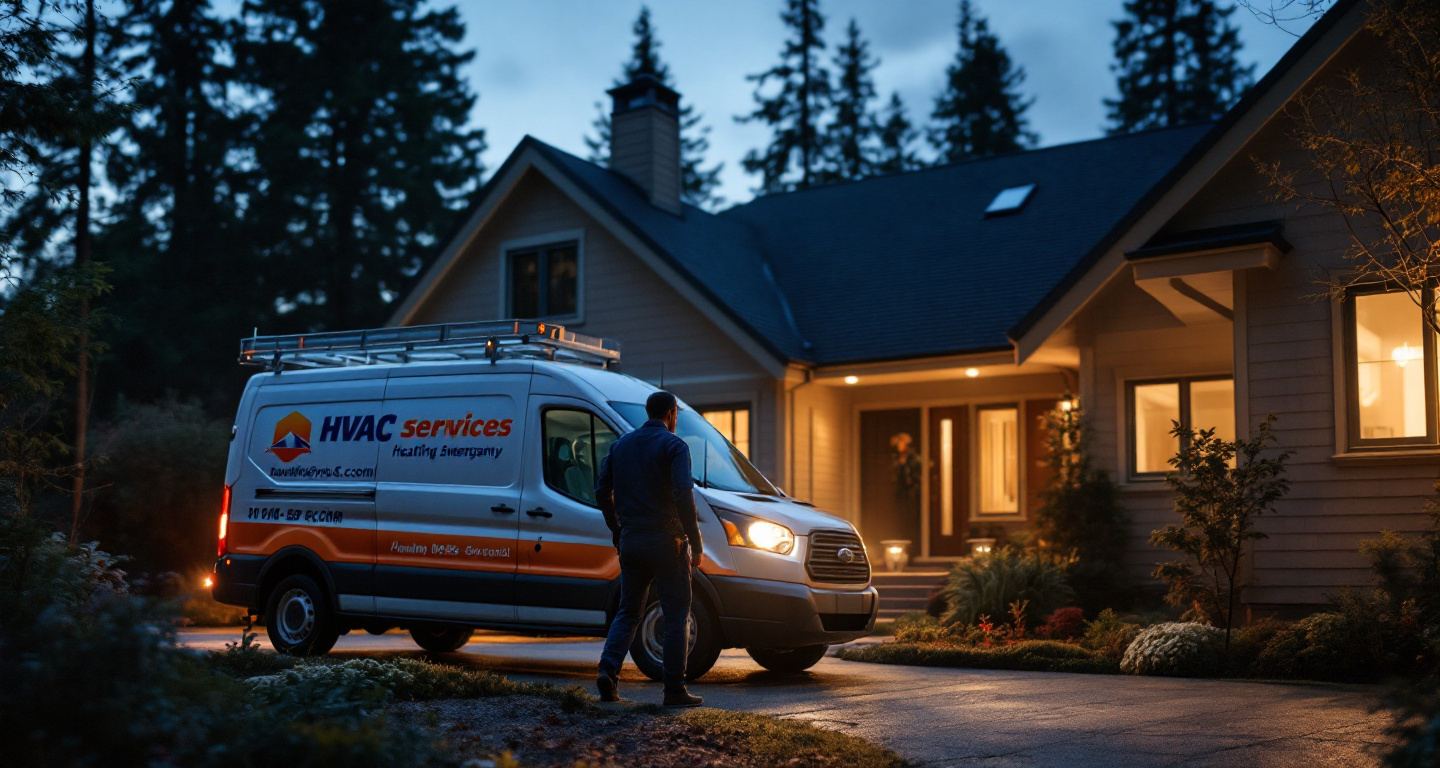
This guide covers what to check, how to stay safe while you wait, and when to call a professional. More on central cooling is in the Department of Energy central air conditioning guide.
The Health Stakes During a Heat Event
Heat illness progresses in stages, and the early signs — fatigue, mild headache, irritability — are easy to dismiss as just being uncomfortable. By the time someone shows more serious symptoms, the window for easy action has narrowed.
Older adults are at heightened risk because the body's ability to regulate temperature becomes less reliable with age and the sense of thirst often diminishes. Children overheat faster than adults because they generate more body heat relative to their size. Pets, especially dogs, are vulnerable to heatstroke at temperatures that feel manageable to humans.
A home that holds heat through the night offers no recovery period. When indoor air stays hot around the clock, the cumulative toll adds up quickly. Take system failure during a heat wave seriously from the first hour.
Safe Homeowner Checks Before You Call
A few steps are worth trying before calling a technician. They require no tools and sometimes resolve the problem entirely.
Start at the thermostat. Confirm it is set to cool rather than heat or fan-only, and that the target temperature is below the current indoor reading. Settings get bumped unnoticed.
Check your electrical panel for the breaker labeled for the air handler or heat pump. A tripped breaker sits between the on and off positions. Reset it by pushing fully to off, then back to on. If it trips again immediately, stop and call a technician — repeated trips mean something is drawing too much current.
Look at your air filter. A heavily clogged filter restricts airflow enough that the system cannot cool effectively. If the filter is dark and dense with dust, replace it — this is often the overlooked cause of poor performance.
Check the outdoor unit for debris — leaves, tall grass, or fallen branches blocking airflow. Clear anything that has accumulated.
If the indoor air handler is accessible, check for ice on the refrigerant lines or the unit itself. A frozen coil means airflow or refrigerant is restricted. Turn the system off entirely and let it thaw — several hours. The fan-only setting can speed this up. Replace the filter, then restart. If it freezes again, call a technician. Do not attempt to add refrigerant or open any refrigerant lines yourself.
Staying Cool Safely While You Wait
While the system is down or thawing, focus on managing body temperature rather than home temperature.
Drink water consistently, even without feeling thirsty — thirst is an unreliable signal in heat. Avoid alcohol and minimize caffeine, as both contribute to dehydration.
Move to the lowest level of the home. Heat rises, and the difference between an upper floor and a basement or ground floor can be significant. Close blinds and curtains on sun-facing windows.
Fans do not cool air, but they help your body shed heat through evaporation. Keep windows closed during the hottest part of the day if outdoor air is hotter than indoor air, and open them in the evening once temperatures drop.
Find out whether your county has opened a cooling center — libraries, community centers, and recreation facilities are often designated for this during heat events. Using them is the right call when indoor temperatures are unsafe.
Wet cloths applied to the wrists, neck, and inside of the elbows help lower body temperature.
Recognizing Heat Illness and When to Call for Help
Cold and clammy skin, heavy sweating, weakness, fast weak pulse, and nausea are signs of heat exhaustion. Move the person to a cooler space, give cool water if they can swallow, and apply cool damp cloths. Symptoms typically improve within thirty minutes.
Hot and dry skin, a rapid strong pulse, confusion, and loss of consciousness indicate heatstroke — a medical emergency. Call emergency services immediately and cool the person as rapidly as possible while waiting.
Call an HVAC technician if the breaker trips a second time, the coil refreezes after thawing and filter replacement, the outdoor unit makes grinding or unusual noise, or the system still will not cool. Refrigerant leaks, electrical faults, and compressor failures are not homeowner repairs. If anyone is showing signs of heat illness, get them to a cooler environment first. For a local example of AC repair in the Portland area, see https://sites.google.com/view/efficiency-heating-cooling/services/air-conditioning/ac-repair.